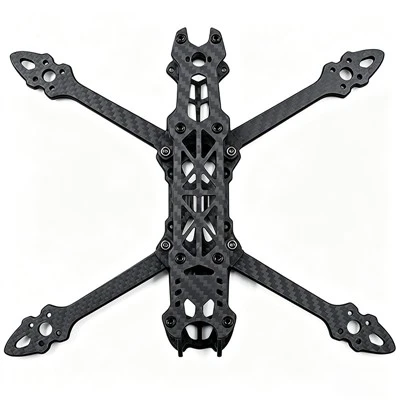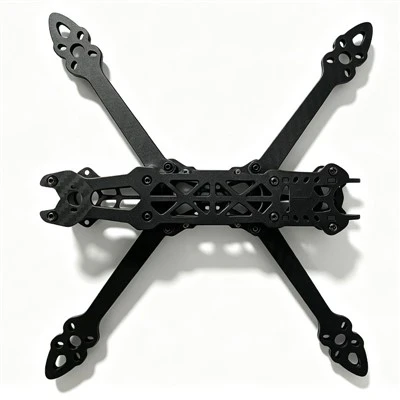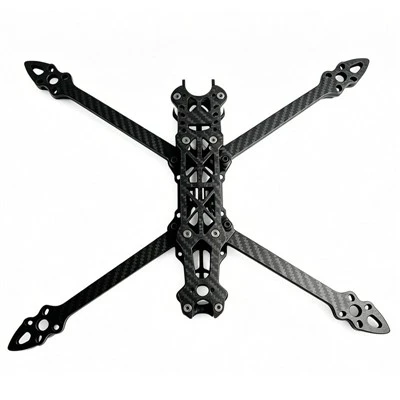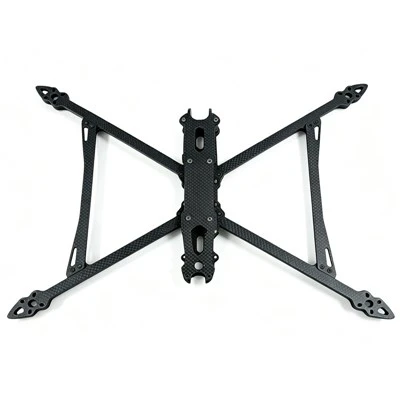
The platform design of fiber optic FPV drones must fully consider the integration and layout of the fiber optic transmission system. On one hand, it's crucial to ensure a stable connection of the fiber optic cables to prevent signal interruptions due to vibration or swaying during flight. On the other hand, it's essential to optimize the drone's aerodynamic performance, reducing drag and energy consumption, and improving flight stability and endurance. Simultaneously, the drone's payload capacity must be considered to ensure it can carry sufficient fiber optic transmission equipment and high-definition cameras.
The control system of a fiber optic FPV drone includes a flight control unit, GPS positioning system, gyroscopes, accelerometers, and other sensors. These devices work together to achieve precise control and stable flight. Through advanced flight algorithms and automatic obstacle avoidance technology, the drone can fly autonomously in complex environments, avoiding collisions and crashes. Furthermore, the control system also features fault self-diagnosis and emergency protection measures to ensure flight safety.