The core of an FPV (First-Person View) drone lies in its first-person perspective (FPV) control system. Pilots receive real-time video signals from the drone's camera by wearing FPV goggles or using a monitor, allowing them to control the drone from its own perspective. This immersive control method not only enhances the intuitiveness and precision of flight but also enables the drone to perform challenging missions in complex environments.
An FPV drone typically consists of the following key components:
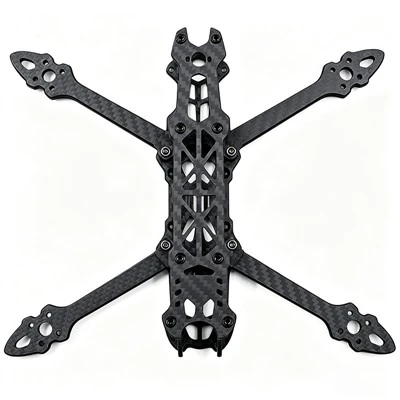
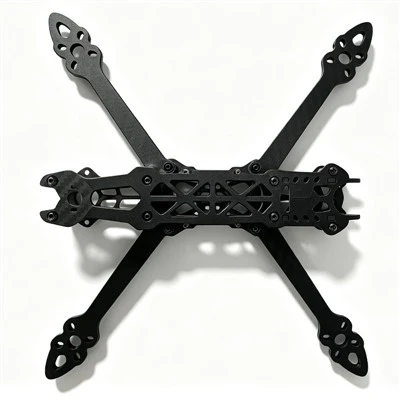
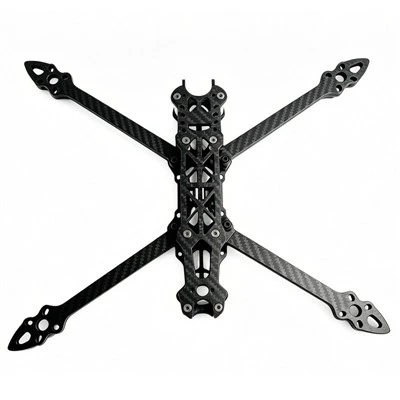
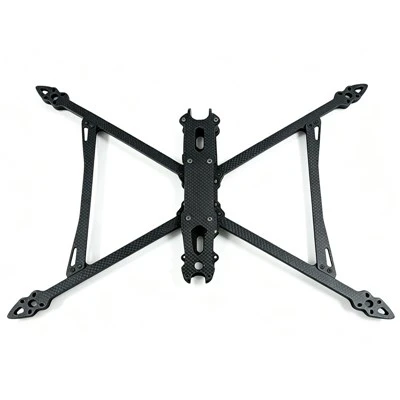
1. Flight platform: Includes the fuselage, motors, propellers, and battery, providing flight power.
2. Camera and image transmission system: Captures and transmits video signals in real time, ensuring the pilot can clearly observe battlefield dynamics.
3. Ground control station: The pilot monitors video signals and controls the drone through the control station.
4. FPV display device: Such as FPV goggles, providing an immersive flight experience.
Furthermore, modern FPV drones integrate artificial intelligence technology, enabling them to autonomously identify targets and make intelligent decisions, further enhancing their combat effectiveness.