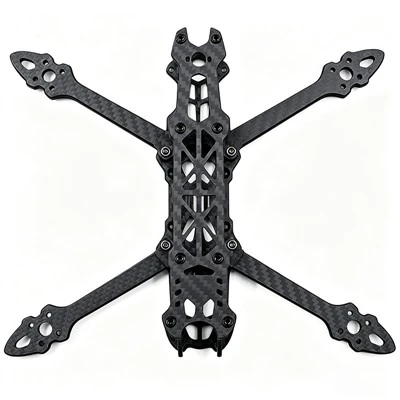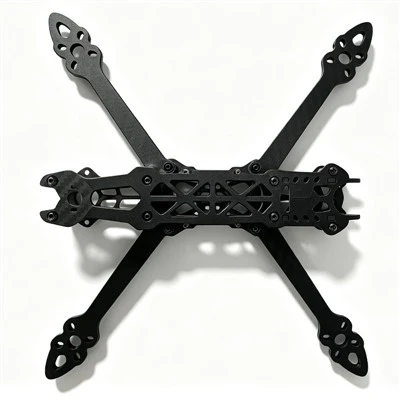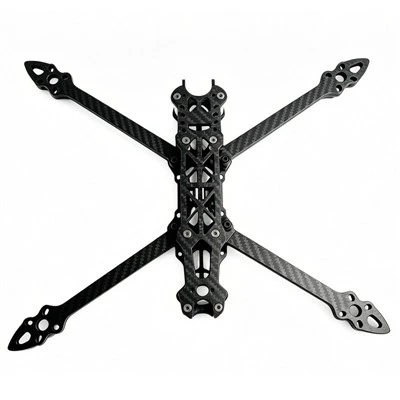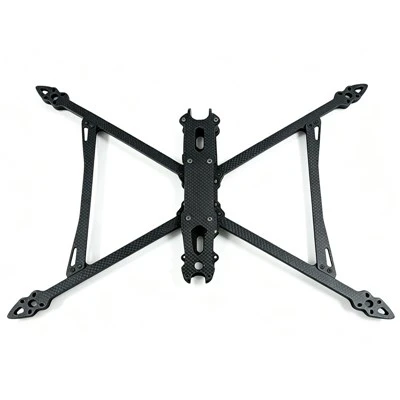
Carbon fiber is a new type of high-strength, high-modulus, and high-temperature-resistant fiber material with a carbon content of over 95%, boasting the highest temperature resistance among all synthetic fibers. It is a microcrystalline graphite material obtained by carbonizing and graphitizing organic fibers, consisting of sheet-like graphite microcrystals stacked along the fiber axis. It possesses characteristics such as lightweight, high strength, high modulus, high temperature resistance, impact resistance, chemical corrosion resistance, and a low coefficient of thermal expansion. Carbon fiber mainly includes three types: polyacrylonitrile-based carbon fiber, viscose-based carbon fiber, and pitch-based carbon fiber.
Carbon fiber was invented as the light source for incandescent light bulbs. In 1879, Edison invented the incandescent lamp using carbon fiber as the light source. Carbon fiber is widely used in aerospace, power, new energy, and major infrastructure projects. The widespread application of carbon fiber has not only brought about "lightweighting" in its applications but also the added benefits of "energy conservation and emission reduction." However, carbon fiber materials do not decompose naturally; if high-temperature incineration is used during recycling, it will release harmful substances and pollute the environment.