Basic Structural Understanding:
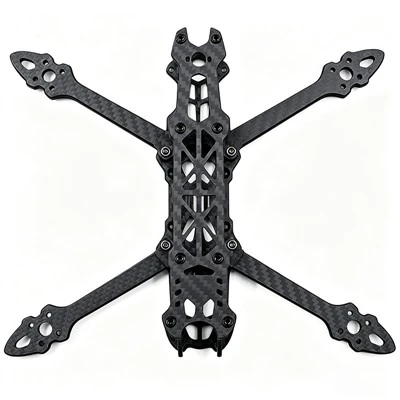
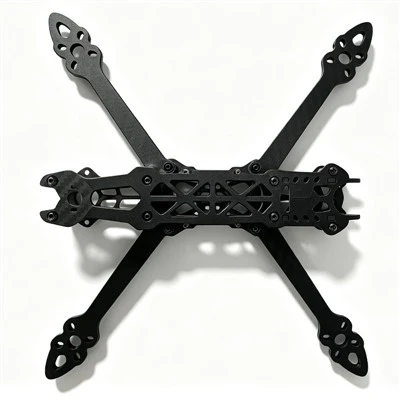
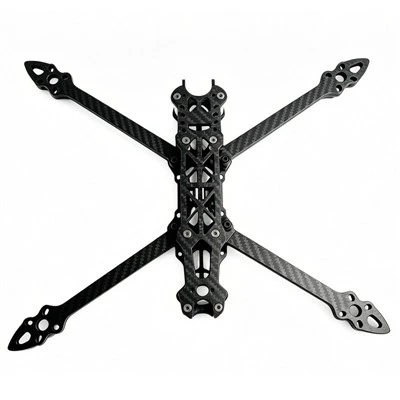
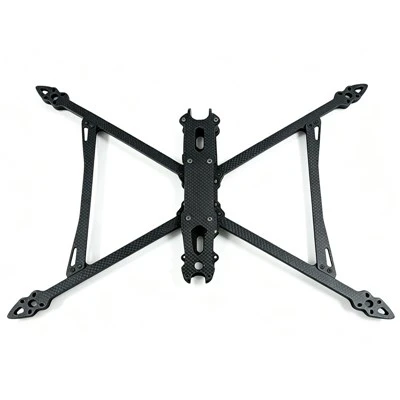
Be familiar with the basic structure of a drone, including the airframe, power system (motors, propellers), battery system, flight control system (including GPS module, gyroscope, accelerometer, and other sensors), remote controller, and data transmission system.
Understanding the function and interrelationships of each component helps in accurately locating problems.
External Cleaning:
Cleaning a drone is not just about surface cleanliness. After each flight, carefully inspect all parts of the drone for dust, dirt, or other impurities. Pay special attention to the motors, propellers, and battery connectors. Use compressed air or a soft cloth to remove dirt, and take care to prevent water or other liquids from entering any part of the drone.
Dust Prevention:
When storing, cover the drone with a dust cover, especially after flying in dusty environments.
Motor and Propeller Maintenance:
The propeller is one of the most easily damaged components of a drone. Therefore, check the condition of the propeller before each flight. Replace it immediately if there are cracks, wear, or deformation. Even if the propeller appears intact, it is recommended to replace it with a new one periodically to ensure optimal performance. During flight, it is recommended to install protective covers on the propellers.
Check that the motors are free of sand and water stains, and move each motor shaft to ensure they are securely fixed to the arm and can smoothly reach their maximum position. Then, remove the propellers, turn on the engine, and start the motors to check for any abnormal noises.